Optimizing LinkedIn Lead Generation for Modern B2B Sales Funnels

In this article
Optimizing LinkedIn Lead Generation for Modern B2B Sales Funnels
The landscape of professional networking has shifted significantly by 2026, making the integration of automated tools essential for maintaining healthy B2B sales funnels. At its core, a sales funnel represents the journey a potential client takes from the initial point of contact to the final purchasing decision. In the digital era, LinkedIn serves as a primary source for identifying high-quality prospects, yet manual outreach often creates bottlenecks that slow down the progression of these funnels.
To improve the efficiency of B2B sales funnels, organizations are increasingly adopting AI-driven automation. This technology allows sales teams to identify specific professional profiles that match their ideal customer persona without spending hours on manual searches. By automating the discovery phase, businesses can ensure a steady stream of leads enters the top of their B2B sales funnels, allowing human representatives to focus on closing deals rather than data entry.
The Role of Artificial Intelligence in Outbound Automation
Artificial intelligence has transformed how messages are crafted and delivered within B2B sales funnels. Traditional mass-messaging techniques often result in low engagement because they lack relevance. Modern systems, such as Sendio.ai, utilize AI to analyze a prospect's public profile, recent activity, and professional background to generate personalized communication. This level of customization is vital for moving prospects through the middle stages of B2B sales funnels, where building trust is paramount.
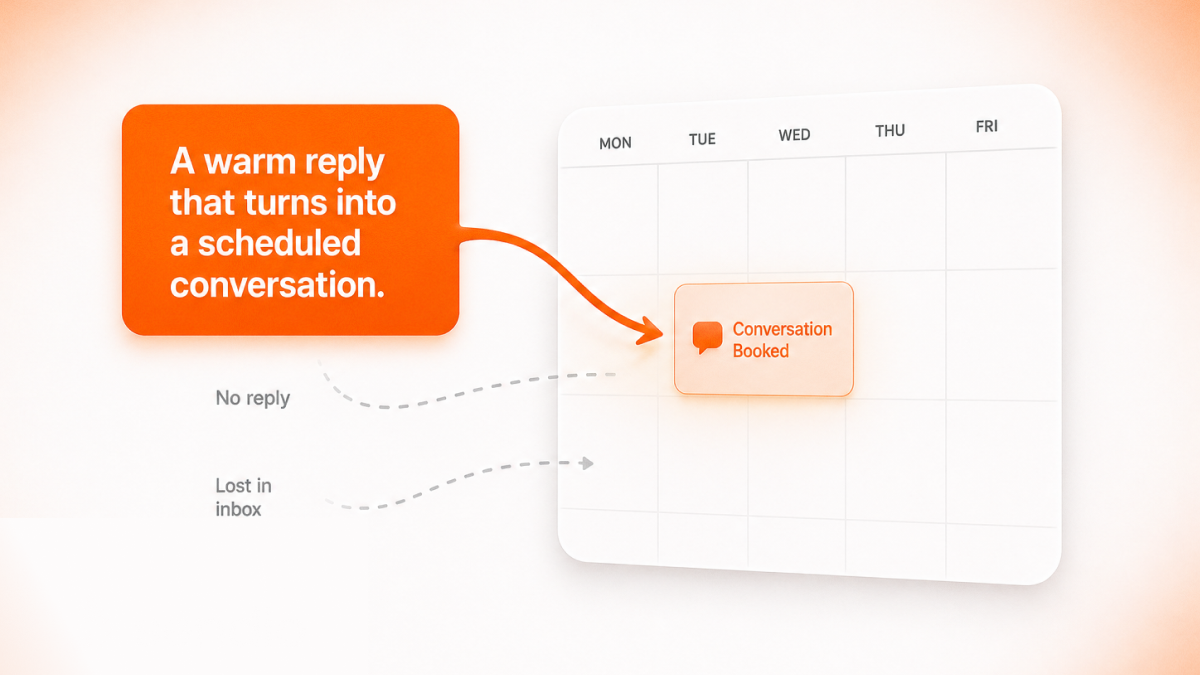
When AI handles the initial connection requests and follow-up sequences, it maintains the momentum of B2B sales funnels. These systems can detect when a lead has responded and pause automated sequences to allow for a natural, human conversation. This hybrid approach ensures that the automation supports the relationship-building process rather than replacing it, which is a critical factor for success in complex B2B sales funnels.
Key Components of AI-Driven LinkedIn Outreach
Successful implementation of automation within B2B sales funnels requires a structured approach. The process generally involves several technical steps to ensure the outreach remains effective and compliant with platform standards. Below are the primary components involved in optimizing these funnels:
- Lead Identification: Using advanced filters to find decision-makers based on industry, job title, and company size.
- Personalized Messaging: Generating unique opening lines that reference specific achievements or interests of the prospect.
- Automated Follow-ups: Scheduling a series of messages to stay top-of-mind without being intrusive.
- Data Synchronization: Ensuring that all interactions are logged within a central system to maintain the integrity of B2B sales funnels.
| Feature | Impact on B2B Sales Funnels |
|---|---|
| Profile Analysis | Increases the relevance of the initial contact. |
| Automated Sequencing | Prevents leads from "leaking" out of the funnel due to forgetfulness. |
| Sentiment Detection | Identifies positive responses to prioritize high-value opportunities. |
| Scalable Prospecting | Allows small teams to manage the volume of large-scale B2B sales funnels. |
Why Personalization is Critical for Conversion
In 2026, prospects are highly sensitive to generic outreach. If the initial touchpoint feels like a template, the lead is likely to ignore it, causing a total stall in your B2B sales funnels. Personalization at scale means using data points to prove that you have researched the prospect. This might include mentioning a recent promotion or a specific project their company recently completed.
By leveraging tools like Sendio.ai, sales professionals can automate this research. The AI interprets complex profile data and weaves it into a conversational format. This strategy directly addresses the "interest" phase of B2B sales funnels, making the prospect more likely to move toward the "consideration" phase. High-quality interactions at this stage reduce the overall cost of acquisition and improve the conversion rate of the entire sales operation.
Managing and Scaling B2B Sales Funnels in 2026
Scaling a sales operation requires more than just increasing the number of messages sent; it requires managing the increased volume of replies. As more prospects enter the B2B sales funnels, the complexity of tracking different conversations grows. Automation platforms help by categorizing leads based on their level of engagement, ensuring that the sales team focuses their energy on the most promising accounts.
Effective B2B sales funnels are also highly measurable. By using AI-powered platforms, companies can track exactly which messaging scripts are resulting in the most booked meetings. This data-driven approach allows for continuous optimization. When every stage of the B2B sales funnels is monitored, it becomes easier to identify where prospects are dropping off and implement corrective measures to improve the overall flow of the sales pipeline.